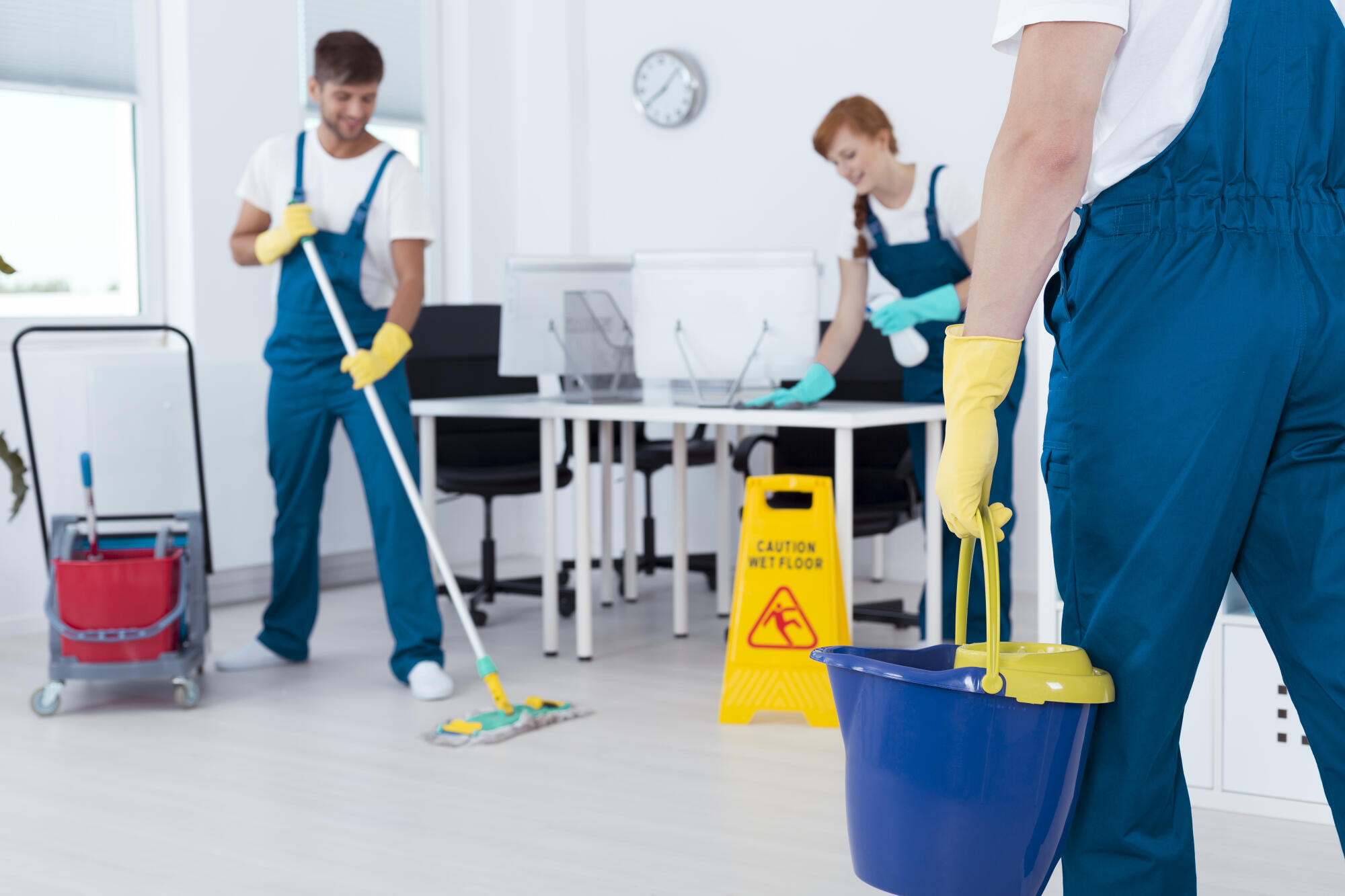
Daily janitors keep offices looking clean, but they can’t replace deep cleaning for the office. Regular cleaning focuses on trash, restrooms, and surfaces people touch often. However, dust and germs can remain under desks and deep inside carpets. Deep cleaning removes this hidden dirt and reaches areas that daily cleaning often misses.
Could your office look clean but still contain hidden germs? According to a July 2025 EPA fact sheet, Americans spend about 90% of their time indoors. Some indoor pollutants can reach levels several times higher than those found outdoors. Combining daily cleaning with regular deep cleaning keeps workplaces cleaner and more comfortable.
Why Doesn’t Daily Janitorial Cleaning Address Every Contaminant?
Daily janitors keep offices tidy, but they can’t clean every surface thoroughly. Several factors explain why dirt and germs remain:
- Daily cleaning priorities
- Hidden dirt and germs
- Surface cleanliness versus hygiene
Routine Cleaning Prioritizes Immediate Needs
Janitors usually focus on emptying trash and cleaning restrooms before tackling less visible areas. They also clean surfaces that employees touch often.
Limited time makes it difficult to move furniture or clean beneath heavy equipment. These jobs often need extra time and special tools.
Hidden Contaminants Accumulate Over Time
Dust and dirt slowly build up beneath desks and around furniture. Chair wheels can also spread dirt into hard-to-reach spaces.
Some office germ hotspots form around shared equipment that doesn’t get cleaned regularly. Built-up dust may also contain allergens that bother sensitive employees.
Without regular deep cleaning, this dirt can remain for months.
Surface Appearance Doesn’t Guarantee Hygiene
A desk might look clean but still contain harmful germs. Wiping away visible dirt doesn’t always kill them.
Effective disinfection requires the right products and enough time to work. Following green janitorial standards can improve cleaning methods and encourage safer product choices.
Regular inspections also catch missed areas before dirt becomes harder to remove.
How Does Deep Cleaning for the Office Address Hidden Risks?
Deep cleaning removes dirt and germs that daily cleaning often misses. It focuses on areas that need extra attention:
- Beneath furniture and equipment
- Dirt trapped in carpets
- Shared equipment and overlooked surfaces
Cleaning Beneath Furniture and Equipment
Dust slowly builds up beneath desks and around heavy office furniture. Moving furniture makes it easier to reach areas that rarely get cleaned.
Professional cleaners use vacuums and other tools to remove this hidden dirt. They also clean baseboards and tight corners.
Removing built-up dust can reduce allergens in the office. This is especially useful for employees with allergies.
Addressing Contaminants Embedded in Carpets
Office carpets collect dirt from employees’ shoes throughout the day. Regular vacuuming removes surface dirt but often misses particles trapped deeper inside.
Commercial carpet deep extraction uses special equipment to loosen and remove this trapped dirt. It cleans deeper into carpet fibers than ordinary vacuuming.
Carpets must dry properly after cleaning. Damp carpets can encourage mold and other unwanted growth.
Treating Shared Equipment and Overlooked Surfaces
Employees touch shared keyboards and meeting room equipment throughout the day. However, these items need careful cleaning to prevent damage.
Professional cleaners choose suitable products and follow the manufacturer’s instructions. Frequently touched controls may also need disinfecting.
Disinfectants must stay on surfaces for the recommended time to work properly.
Why Do Cleaning Products and Methods Matter?
Good office cleaning involves more than removing visible dirt. The products and methods used affect workplace hygiene in three main ways:
- Choosing suitable products
- Reducing chemical exposure
- Following consistent cleaning methods
Selecting Appropriate Cleaning Products
Different surfaces need different cleaning products. Disinfectants must also work against the specific germs being targeted.
Non-toxic office disinfection is a common marketing term, but no chemical disinfectant is completely risk-free. Businesses should choose EPA-registered products and follow label instructions to keep employees safe.
Reducing Unnecessary Chemical Exposure
Eco-friendly workplace sanitation focuses on effective cleaning without using too many chemicals. Mixing cleaning products correctly reduces waste and limits exposure.
Microfiber cloths trap dust effectively and often need less cleaning solution. Applying products only where needed also prevents unnecessary chemical use.
Establishing Consistent Cleaning Procedures
Green janitorial standards encourage safer product choices and proper employee training. Clear cleaning procedures reduce mistakes and improve results.
Independent certifications can guide businesses toward products that are better for the environment. However, even certified products must be used correctly.
Keeping cleaning equipment in good condition also improves performance and prevents problems.
Frequently Asked Questions
Can Deep Cleaning Be Performed Without Interrupting Office Operations?
Yes, professional cleaners can work after business hours or on weekends. Larger offices can also clean one area at a time so employees can continue working.
Commercial carpet deep extraction may require extra drying time before employees return. Good airflow and planning can reduce disruptions.
Should Offices Request Documentation of Disinfectant Products?
Businesses should ask for product labels and safety data sheets before approving disinfectants. EPA registration numbers can also confirm whether products are approved for specific uses.
Claims about non-toxic office disinfection shouldn’t replace basic safety checks. Managers should make sure products are suitable for their surfaces.
Can Deep Cleaning Help Employees With Allergies?
Removing dust and pollen may reduce certain allergens in the workplace. HEPA-filtered vacuums can also trap tiny particles during cleaning.
Eco-friendly workplace sanitation may reduce exposure to harsh cleaning chemicals. However, ongoing allergy problems may require better ventilation or an indoor air quality inspection.
The Benefits of Eco-Friendly Workplace Sanitation
Daily janitorial services maintain everyday cleanliness, but they cannot address every hidden contaminant. Combining routine maintenance with deep cleaning for the office removes accumulated debris, reduces potential hygiene risks, and improves workplace conditions. A consistent cleaning schedule protects overlooked areas and creates a cleaner, healthier environment for employees and visitors.
At Greenhouse Eco-Cleaning, we offer custom commercial cleaning services throughout Manhattan, Brooklyn, and Long Island City. We use natural, biodegradable cleaning products without volatile organic compounds (VOCs). Unlike companies that hire contractors, we train our own cleaning staff to maintain high standards. From daily office cleaning to carpet care and disinfection, we focus on healthier workplaces and protecting the environment.
Get in touch today to learn how we can meet your cleaning needs!